

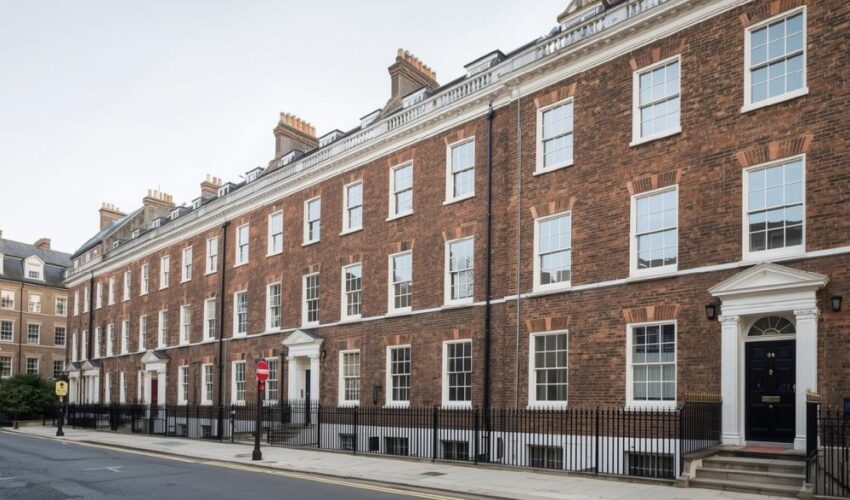
At Blackstone Solicitors, we regularly advise property owners, developers, and landlords on the legal obligations surrounding listed buildings. One area that often causes confusion is the requirement for an Energy Performance Certificate (EPC). If you own or are considering purchasing a listed property, it’s essential to understand when an EPC is needed, what it involves, and how exemptions may apply.
Free Initial Telephone Discussion
For a free initial discussion on how we can help you with the legal aspects of buying or selling a listed building, get in touch with us today. We will review your situation and keep you regularly updated, discussing progress in a clear and approachable manner. Early expert legal assistance ensures no mistakes are made and also avoids the stress of dealing with these issues on your own. Simply call us on 0345 901 0445 or complete our online enquiry form and a member of the team will get back to you.
What Is an Energy Performance Certificate?
An Energy Performance Certificate is a legal document that rates the energy efficiency of a building. It uses a scale from A (most efficient) to G (least efficient) and includes recommendations for improving the building’s energy performance. EPCs are valid for ten years and are required when a property is built, sold, or rented.
The certificate provides:
- A summary of the building’s energy use
- Estimated energy costs
- Suggestions for cost-effective improvements
EPCs are designed to help reduce carbon emissions and promote energy efficiency across the UK’s property stock.
Listed Buildings: A Special Category
Listed buildings are properties recognised for their architectural or historical significance. They are protected under the Planning (Listed Buildings and Conservation Areas) Act 1990 and categorised as Grade I, Grade II*, or Grade II.
Because of their age, design, and materials, listed buildings often have poor energy performance. Features such as single-glazed windows, solid walls, and original roofing materials can make them difficult to insulate or upgrade without compromising their character.
Do Listed Buildings Require an EPC?
This is where things get nuanced. Under the Energy Performance of Buildings (England and Wales) Regulations 2012, an EPC is generally required when a building is constructed, sold, or let. However, Regulation 5(1)(d) provides an exemption for listed buildings where compliance with minimum energy efficiency requirements would unacceptably alter the building’s character or appearance.
In practice, this means:
- If you are selling or renting a listed building, you may need an EPC unless you can demonstrate that making the recommended improvements would damage its historic fabric.
- If you are refurbishing or converting a listed building, you may be exempt from certain energy efficiency standards if they conflict with conservation principles.
It’s important to note that the exemption is not automatic. You must assess whether the recommended improvements are feasible and whether they would negatively impact the building’s character.
EPCs and the Minimum Energy Efficiency Standards (MEES)
The Minimum Energy Efficiency Standards (MEES) apply to rented properties in England and Wales. Since April 2020, landlords must ensure that their properties meet at least an E rating on the EPC before granting a new tenancy.
For listed buildings, MEES can be particularly challenging. Many fall below the E threshold due to their construction and age. However, exemptions may apply if:
- The building is officially listed and improvements would alter its character
- All possible improvements have been made but the rating remains below E
- The cost of improvements exceeds a certain threshold
Landlords must register any exemption on the PRS Exemptions Register and provide supporting evidence.
How to Determine If Your Listed Building Needs an EPC
To decide whether your listed building requires an EPC, consider the following steps:
- Review the Nature of the Transaction
Are you selling, renting, or constructing the property? If so, an EPC is likely required unless an exemption applies.
- Assess the Building’s Features
Would implementing the EPC’s recommendations compromise the building’s historic or architectural integrity? If yes, you may be exempt.
- Seek Professional Advice
Consult with a solicitor or conservation officer. At Blackstone Solicitors, we can help you navigate the legal and regulatory framework to determine your obligations.
Common EPC Recommendations and Their Impact on Listed Buildings
Typical EPC suggestions include:
- Installing double glazing
- Adding cavity wall insulation
- Upgrading heating systems
- Using low-energy lighting
While these measures are effective in modern buildings, they may not be suitable for listed properties. For example:
- Double glazing may not be permitted if it alters the appearance of original sash windows
- Wall insulation could damage historic plaster or timber framing
- Modern heating systems may require structural changes
In such cases, alternative solutions like draught-proofing, secondary glazing, or improved maintenance may be more appropriate.
What Happens If You Don’t Comply?
Failure to provide an EPC when required can result in penalties. For residential properties, the fine is typically £200. For commercial buildings, it can be significantly higher.
Landlords who fail to meet MEES requirements may face:
- Fines of up to £5,000
- Restrictions on letting the property
- Reputational damage
If you believe your listed building qualifies for an exemption, it’s vital to document your reasoning and register it appropriately.
How Blackstone Solicitors Can Help
Navigating the EPC and MEES regulations for listed buildings requires a careful balance between legal compliance and heritage preservation. At Blackstone Solicitors, we offer:
- Tailored legal advice for property owners, landlords, and developers
- Support with exemption applications and PRS register submissions
- Guidance on conservation-friendly energy improvements
- Representation in disputes or enforcement actions
We operate across England and Wales and have extensive experience in listed property matters.
Frequently Asked Questions
Can I improve my listed building’s energy rating without damaging its character?
Yes, but it requires careful planning. Measures like secondary glazing, draught-proofing, and efficient boilers may be acceptable. Always consult with a conservation officer before making changes.
Is the EPC exemption automatic for listed buildings?
No. You must assess whether the recommended improvements would alter the building’s character and document your findings. The exemption must be justified and, in some cases, registered.
How long is an EPC valid?
Ten years. If you’ve made significant changes to the property, you may need a new assessment.
What if my listed building is below an E rating?
If you’re a landlord, you must either improve the rating or apply for an exemption. Selling the property does not require meeting MEES, but an EPC may still be needed.
Final Thoughts
Listed buildings are a treasured part of our architectural heritage. While energy efficiency is important, it must be balanced with the need to preserve historic character. Understanding when an EPC is required—and when exemptions apply—is crucial for owners, landlords, and developers.
At Blackstone Solicitors, we’re here to guide you through the legal complexities. Whether you’re selling a Georgian townhouse, renting a Tudor cottage, or restoring a Victorian villa, our team offers expert advice tailored to your needs.
Get in touch today to discuss your listed property and ensure you’re fully compliant with EPC and MEES regulations.
How we can help
We have a proven track-record of helping clients deal with the complexities of listed buildings. We will guide you through all the necessary legal due diligence in a comprehensive and timely manner. We firmly believe that with the right solicitors by your side, the entire process will seem more manageable and far less daunting.
How to Contact our Residential Property Solicitors
It is important for you to be well informed about the issues and obstacles you may face when buying or selling a listed building. However, expert legal support is crucial in terms of saving you money and ensuring you achieve a positive outcome.
To speak to our Residential Property solicitors today, simply call us on 0345 901 0445 , or allow a member of the team to get back to you by filling in our online enquiry form . We are well known across the country and can assist wherever you are based. We also have offices based in Cheshire and London.
Disclaimer: This article provides general information only and does not constitute legal advice on any individual circumstances.
