

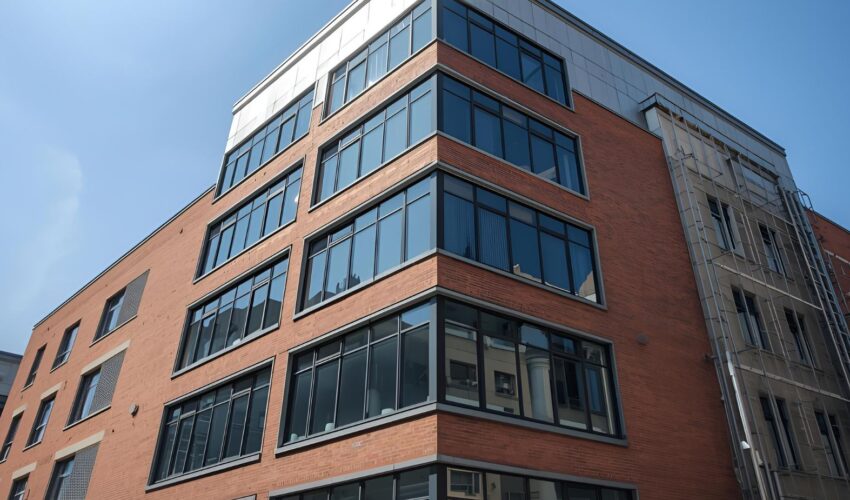
In the world of commercial property, lease terms and obligations can be complex and often misunderstood. One of the most common – and important – types of lease encountered in commercial real estate is the full repairing and insuring lease, often abbreviated as FRI lease. This type of agreement places significant responsibilities on the tenant and is a crucial point of negotiation in any commercial lease arrangement.
At Blackstone Solicitors, we assist landlords and tenants across England and Wales with all aspects of lease drafting, negotiation and dispute resolution. In this article, we explain exactly what a full repairing and insuring lease is, what obligations it places on tenants, and the key considerations to bear in mind before entering into one.
Free Initial Telephone Discussion
For a free initial discussion with a member of our New Enquiries Team, get in touch with us today. We are experienced in dealing with all the legal aspects of commercial property law, and once instructed, we will review your situation and discuss the options open to you in a clear and approachable manner. Early expert legal assistance can help ensure you are on the best possible footing from the start and also avoid the stress of dealing with these issues on your own. Simply call us on 0345 901 0445 or click here to make a free enquiry and a member of the team will get back to you.
Understanding a Full Repairing and Insuring (FRI) Lease
A full repairing and insuring lease is a type of lease arrangement in which the tenant takes on the full responsibility for:
- Repairing and maintaining the premises (and in some cases, the entire building or structure); and
- Insuring the property, typically by reimbursing the landlord for the cost of insurance premiums.
This means that, unlike residential leases where the landlord typically handles repairs and insurance, in a commercial FRI lease, the tenant bears those burdens. The landlord is effectively relieved of day-to-day maintenance obligations and insurance responsibilities, which makes this lease structure particularly attractive from an investment standpoint.
While common in commercial property – particularly in longer-term leases of standalone buildings – FRI leases can also apply to units within larger multi-let buildings, although the structure and terms are often modified accordingly.
The Repairing Obligation
What Does ‘Full Repairing’ Mean?
The term ‘full repairing’ refers to the tenant’s obligation to keep the property in good repair and condition for the entire duration of the lease. This obligation is usually defined in the lease itself, but generally covers:
- Internal and external repairs, including roofs, walls, windows, flooring and services
- Preventative maintenance, such as painting or servicing equipment
- Remedial work, including structural issues, unless excluded by negotiation
- Rectification of pre-existing disrepair, depending on lease terms
This responsibility can be extremely onerous. In many cases, tenants are required to return the property to the landlord at the end of the lease in no worse condition than when it was first leased – even if they did not cause the deterioration.
Schedule of Condition
To limit liability, it is increasingly common for tenants to negotiate the inclusion of a Schedule of Condition. This is a photographic or written record of the state of the premises at the start of the lease, and can restrict the tenant’s repairing obligation to returning the property in no worse condition than that documented. This can be a valuable tool for avoiding disputes later on and should always be considered during lease negotiations.
The Insuring Obligation
What Does ‘Insuring’ Mean?
In an FRI lease, the tenant is usually responsible for ensuring that the property is adequately insured. In practice, however, it is generally the landlord who arranges the insurance and then recharges the cost to the tenant.
The insurance typically covers:
- The reinstatement value of the property (i.e. the cost of rebuilding following total destruction)
- Loss of rent for a defined period following damage
- Public liability, employers’ liability and other relevant risks
The lease will usually detail what risks must be covered (such as fire, flood, or storm damage) and may allow for periodic reviews of cover requirements.
Key Considerations for Tenants
Tenants should carefully review:
- The scope of risks covered
- Whether the premiums are reasonable and competitive
- How and when premium contributions are calculated and demanded
- Whether any excesses apply and who is responsible for them
In multi-let properties, the insurance is often arranged for the whole building and costs are shared between tenants through a service charge arrangement.
Why Do Landlords Prefer FRI Leases?
From a landlord’s perspective, FRI leases are highly advantageous:
- Minimised responsibility: The landlord is not required to undertake repairs or fund maintenance.
- Predictable returns: Insurance costs are covered by tenants, reducing financial unpredictability.
- Property preservation: Tenants are incentivised to maintain the property, protecting long-term value.
- Appealing to investors: FRI leases are viewed as secure and low-maintenance, enhancing property marketability.
As such, many commercial property leases – particularly those for office buildings, industrial units or retail spaces – are drafted as FRI leases, subject to negotiation.
Risks and Considerations for Tenants
While landlords benefit significantly, FRI leases can pose considerable risks for tenants. Key concerns include:
- Unexpected Repair Costs
Tenants may be liable for expensive repairs, including structural defects, even if the property was already in disrepair at the start of the lease. Without a Schedule of Condition, tenants may find themselves responsible for remedial work they did not anticipate.
- Dilapidations Liability
At the end of the lease term, tenants may face dilapidations claims – legal claims for breaching repairing or reinstatement obligations. These claims can be substantial and are often a source of dispute.
- Lack of Control Over Insurance
Since the landlord usually arranges insurance, the tenant has little say over the provider, coverage level, or premium cost. Tenants must rely on the landlord acting reasonably and in good faith.
- Shared Structures and Common Areas
In a multi-occupancy building, tenants may still be asked to contribute to repairs of structural elements or shared areas, such as roofs or lifts, even if they only lease part of the building. This is usually covered via a service charge arrangement.
Negotiating an FRI Lease
At Blackstone Solicitors, we always recommend that both landlords and tenants seek legal advice before entering into an FRI lease. Negotiation points may include:
- Limiting the scope of repair obligations, especially for structural elements
- Introducing a Schedule of Condition to cap liability
- Clarifying insurance arrangements and cost-sharing mechanisms
- Capping service charges where applicable
- Agreeing on responsibilities for reinstatement or decoration at lease end
Our experienced commercial property team can ensure that the lease terms reflect your intentions, protect your interests, and minimise the risk of future disputes.
When Would a Full Repairing and Insuring Lease Be Appropriate?
FRI leases are common in several contexts, including:
- Standalone commercial buildings leased to a single tenant
- Long-term leases, particularly where the tenant has extensive control over the property
- Retail, industrial or office premises where the landlord seeks minimal involvement in maintenance
- Investment properties, where predictable income and low management are priorities
While they are less common in residential property, elements of FRI arrangements can sometimes appear in long leasehold flats, particularly where leaseholders bear costs via a management company.
How We Can Help
At Blackstone Solicitors, we work with both landlords and tenants across England and Wales, offering clear, strategic advice on all aspects of full repairing and insuring leases. Our services include:
- Drafting and reviewing lease documentation
- Negotiating lease terms to ensure fairness and clarity
- Advising on liability and risk exposure
- Representing clients in dilapidations or insurance disputes
- Providing strategic property advice for investors and businesses
With a commercial and pragmatic approach, we help you avoid pitfalls and ensure your property arrangements support your wider objectives.
Conclusion
A full repairing and insuring lease is a powerful tool in commercial property, offering landlords reduced responsibility while placing significant obligations on tenants. For this reason, it is vital that both parties understand exactly what the lease entails and seek professional advice before signing.
Whether you are a landlord looking to protect your asset or a tenant wishing to manage risk, Blackstone Solicitors can guide you through the legal landscape and ensure your interests are robustly represented.
We have a proven track record of helping clients deal with the legal aspects of commercial property. We will guide you through the process and ensure all checks are carried out swiftly and efficiently and we firmly believe that with the right solicitors by your side, the entire process will seem more manageable and far less daunting.
How to Contact Our Commercial Property Solicitors
It is important for you to be well informed about the issues and possible implications of an FRI lease. However, expert legal support is crucial in terms of ensuring a positive outcome to your case.
To speak to our Commercial Property solicitors today, simply call us on 0345 901 0445, or click here to make a free enquiry. We are well known across the country and can assist wherever you are based. We also have offices based in Cheshire and London.
Disclaimer: This article provides general information only and does not constitute legal advice on any individual circumstances.
