

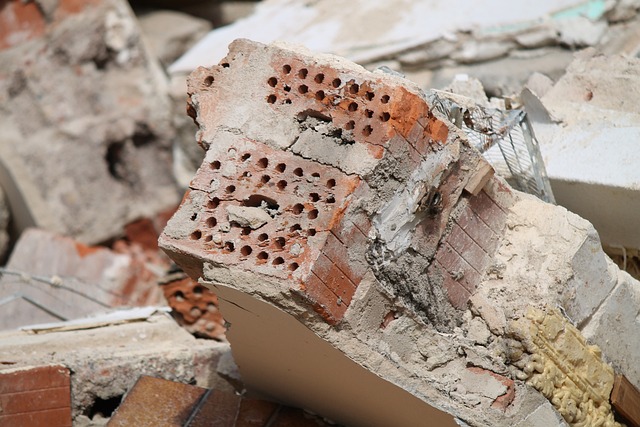
Poor workmanship in construction can lead to significant frustration, financial losses, and even safety hazards. Whether you’re a homeowner, a commercial client, or a developer, dealing with substandard work requires a strategic and legally sound approach. At Blackstone Solicitors, we frequently advise clients across England and Wales on how to navigate these challenging situations effectively.
Free Initial Telephone Discussion
For a free initial discussion with a member of our New Enquiries Team, get in touch with us today. We are experienced in dealing with all the legal aspects of construction law, we will review your situation and discuss the options open to you in a clear and approachable manner. Early expert legal assistance can help ensure you are on the best possible footing from the start and also avoid the stress of dealing with these issues on your own. Simply call us on 0345 901 0445 or click here to make a free enquiry and a member of the team will get back to you.
Identifying Poor Workmanship
The first step in addressing poor workmanship is accurately identifying it. This can involve:
- Visible Defects: Obvious issues like uneven surfaces, cracks, leaks, or faulty installations.
- Non-Compliance with Specifications: Work that deviates from the agreed-upon plans, materials, or standards.
- Breach of Building Regulations: Work that fails to meet the minimum standards set by building regulations.
- Substandard Materials: Use of inferior or inappropriate materials.
- Failure to Meet Industry Standards: Work that falls below the accepted standards of quality and craftsmanship within the construction industry.
Initial Steps to Take
When you suspect poor workmanship, take the following steps:
- Document Everything:
- Take photographs and videos of the defects.
- Keep detailed records of all communications with the contractor, including emails, letters, and phone calls.
- Retain copies of the contract, plans, specifications, and any other relevant documents.
- Communicate with the Contractor:
- Notify the contractor in writing about the specific defects and your concerns.
- Provide clear and detailed evidence of the poor workmanship.
- Request that the contractor rectify the defects within a reasonable timeframe.
- Review the Contract:
- Carefully review the contract to understand your rights and the contractor’s obligations.
- Pay attention to clauses related to warranties, defects liability periods, and dispute resolution.
Legal Options and Considerations
If the contractor fails to rectify the defects, you may need to pursue legal options. These can include:
- Negotiation and Mediation:
- Attempt to resolve the dispute through negotiation or mediation.
- This involves engaging in discussions with the contractor to reach a mutually agreeable solution.
- Mediation involves a neutral third party facilitating the discussions.
- Adjudication is a fast-track dispute resolution process commonly used in the construction industry.
- An independent adjudicator will make a binding decision on the dispute.
- This is a statutory right under the Construction Act 1996.
- Arbitration is a more formal process than mediation or adjudication.
- An arbitrator will make a binding decision on the dispute, similar to a court judgment.
- This method is often pre-agreed within the building contract.
- Litigation:
- If all other methods fail, you may need to initiate legal proceedings in the County Court or High Court.
- This involves issuing a claim against the contractor for breach of contract or negligence.
- This is the most time consuming and expensive route.
- Engaging a Surveyor or Expert:
- Obtain an independent surveyor or expert report to assess the extent of the poor workmanship and the cost of rectification.
- This report can serve as valuable evidence in legal proceedings.
- Defects Liability Period:
- Most construction contracts will have a defects liability period. During this period, the contractor is obligated to rectify any defects that arise.
- Ensure that you notify the contractor of any defects within this period.
The Importance of a Well-Drafted Contract
A well-drafted contract is crucial for protecting your rights in the event of poor workmanship. Key clauses to include are:
- Detailed Specifications: Clearly define the scope of work, materials, and standards.
- Payment Terms: Outline the payment schedule and conditions for withholding payments.
- Defects Liability Period: Specify the duration of the defects liability period and the contractor’s obligations.
- Dispute Resolution Clause: Include a clear procedure for resolving disputes.
- Warranties: Ensure that the contract includes appropriate warranties for materials and workmanship.
Blackstone Solicitors: Your Legal Partner
At Blackstone Solicitors, we have extensive experience in handling construction disputes related to poor workmanship. Our experienced team can provide expert legal advice and representation to help you:
- Review and interpret construction contracts.
- Advise on your legal rights and options.
- Negotiate with contractors and their representatives.
- Represent you in adjudication, arbitration, or litigation.
- Assist in obtaining expert evidence.
We understand the stress and frustration that poor workmanship can cause. Our goal is to provide you with practical and effective legal solutions to protect your interests. If you are dealing with poor workmanship in construction, please do not hesitate to contact Blackstone Solicitors. We are here to help.
We have a proven track record of helping clients deal with construction law. We will guide you diligently and ensure all checks are carried out swiftly and efficiently and we firmly believe that with the right solicitors by your side, the entire process will seem more manageable and far less daunting. You can read more about the range of construction law services we offer by clicking here: https://blackstonesolicitorsltd.co.uk/construction-solicitors/
How to Contact Our Construction Solicitors
It is important for you to be well informed about the issues and possible implications of construction law. However, expert legal support is crucial in terms of ensuring a positive outcome to your case.
To speak to our Construction solicitors today, simply call us on 0345 901 0445, or click here to make a free enquiry. We are well known across the country and can assist wherever you are based. We also have offices based in Cheshire and London.
Disclaimer: This article provides general information only and does not constitute legal advice on any individual circumstances.
