

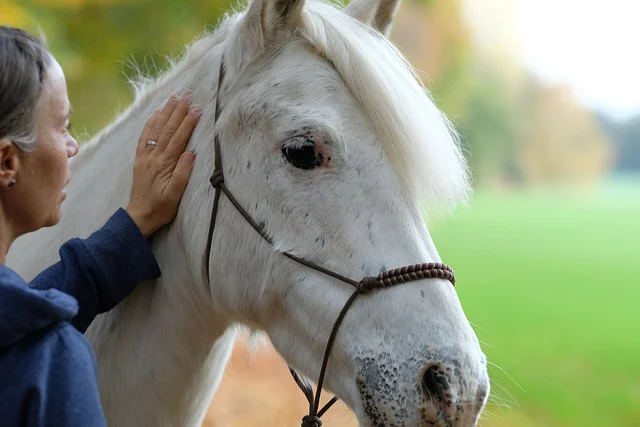
Horses are valuable assets—financially, emotionally and in some cases, professionally. Whether you keep a horse for personal enjoyment, sport, breeding or business, safeguarding your legal ownership is essential. Unfortunately, disputes over ownership and unauthorised sales are more common than many people realise. A horse may be sold without the true owner’s consent due to misunderstandings, fraud, or deliberate misconduct.
At Blackstone Solicitors, we help clients across England and Wales protect their equine interests and resolve ownership disputes through careful documentation, contracts, and legal action where necessary. This article explores how to legally protect your horse from being sold without your permission—and what steps to take if the worst happens.
Free Initial Telephone Discussion
For a free initial discussion with a member of our New Enquiries Team, get in touch with us today. We are experienced in dealing with all the legal aspects of Equine Law, and once instructed, we will review your situation and discuss the options open to you in a clear and approachable manner. Early expert legal assistance can help ensure you are on the best possible footing from the start and also avoid the stress of dealing with these issues on your own. Simply call us on 0345 901 0445 or click here to make a free enquiry and a member of the team will get back to you.
- Establishing and Proving Ownership
The first and most critical step in protecting your horse is being able to prove you are the legal owner. Unlike a car or house, horses are not registered on a central ownership database, which means that ownership disputes can become complex and fact-based.
Evidence of ownership may include:
- A purchase receipt or sales contract in your name
- A signed bill of sale with the horse’s name, description, and sale price
- Bank statements showing payment for the horse
- A microchip number registered to you with the Passport Issuing Organisation (PIO)
- Written loan or livery agreements stating your ownership
- Vet records, insurance policies, or competition entries in your name
Legal Tip: Keep all documents relating to the horse—contracts, vet bills, insurance, livery agreements and correspondence—organised and accessible. In a dispute, your ability to prove ownership could determine the outcome.
- Passport Registration: A Common Misconception
All horses in the UK must have a passport under the Equine Identification (England and Wales) Regulations 2018. This document records the horse’s identity, medical history, and microchip number. Many people wrongly assume that the name in the passport proves ownership. In fact:
The horse’s passport is not a certificate of legal ownership.
The passport holder may not be the legal owner, and disputes cannot be resolved by passport alone. However, having your name registered with the relevant Passport Issuing Organisation (PIO) does provide useful supporting evidence and can help deter unauthorised sale.
- Use Written Contracts – Always
If your horse is being kept at livery, shared, loaned, leased, or ridden by someone else, a written agreement is vital. Verbal arrangements leave you exposed to risk and are far harder to enforce legally.
Depending on the arrangement, the contract should clearly state:
- Your name as the legal owner
- That the horse may not be sold, loaned, transferred or bred from without your written consent
- The duration and scope of any loan or lease
- Who is responsible for day-to-day care and costs
- What happens in emergencies or if the relationship breaks down
In loan or share agreements, include a clause confirming that no title or ownership is transferred, and require the return of the horse upon notice. It’s wise to include a clause preventing the other party from registering themselves as the passport holder or insurer.
Legal Insight: Courts give significant weight to well-drafted contracts. Having one in place strengthens your position and helps avoid future misunderstandings.
- Retain Control Over Documentation
You should always retain possession of the following:
- The original passport
- Any purchase invoice or bill of sale
- The horse’s microchip registration documents
- Insurance and veterinary documents in your name
If the horse is on loan, you may allow a copy of the passport to travel with the horse (for legal compliance), but the original should be stored securely unless required for transport abroad.
If someone else possesses the passport and sells the horse without your knowledge, reclaiming the horse may be harder—especially if the buyer believed they were purchasing in good faith.
- Notify Third Parties of Your Ownership
In shared or livery arrangements, it is prudent to notify third parties (such as the yard owner) that you are the legal owner of the horse. This can help prevent unauthorised transfer or sale. You may also:
- Display a sign on the stable noting ownership
- Provide written notice to the livery or trainer that no sale or relocation is permitted without your approval
- Register your name with the vet and farrier providing services
These steps help establish your role and can act as a deterrent if another party attempts to sell the horse under false pretences.
- What If the Horse Is Sold Without Consent?
If your horse has been sold without your permission, you should take action immediately. Key steps include:
- Report the sale to the police – it may constitute theft or fraud, especially if deception was involved
- Contact the buyer – if the buyer is unaware of the true ownership, they may be willing to return the horse
- Notify the PIO – request a freeze or update on the passport record
- Seek legal advice – to recover the horse or pursue compensation
It’s worth noting that if the buyer purchased the horse in good faith, believing the seller was authorised, recovering the horse may be more complex. This is known in law as the issue of “bona fide purchaser without notice.” In such cases, a court may order compensation instead of the return of the horse.
At Blackstone Solicitors, we act quickly to pursue claims, negotiate with third parties, and, where needed, seek emergency court orders to prevent further sale or movement of the horse.
- Equine Businesses and Ownership Protection
If you operate a livery yard, stud, riding school or training facility, clear contractual arrangements are essential to avoid disputes over ownership. In particular:
- Ensure every horse on your premises has documented ownership
- Require proof of ownership before allowing the horse to be moved or sold
- Maintain client files with contracts, identification and payment history
- Clarify who may authorise veterinary care or sale of the horse
These practices not only reduce legal risk but also help demonstrate compliance with your duty of care under animal welfare legislation.
- Insurance Considerations
Although insurance does not directly prove ownership, it can provide additional protection. You should:
- Take out insurance in your name as owner
- Include theft or loss of horse cover, if appropriate
- Notify the insurer of any shared, loan or livery arrangements
- Require that any co-rider or loaner holds public liability insurance
In a dispute, your insurance records can form part of the documentary trail establishing ownership and care responsibilities.
- Preventive Legal Measures
Where ownership is likely to be challenged, or where there is a history of conflict (e.g. following relationship breakdown or a business dispute), we may recommend:
- Placing a notice of ownership on the horse’s stable
- Obtaining a declaration of ownership from a court
- Lodging a formal caution with relevant equine associations or event bodies
- Drafting a statutory declaration setting out your ownership and control of the horse
Such measures may be used proactively or reactively, depending on the level of risk and the behaviour of other parties involved.
Conclusion
Protecting your horse from being sold without your consent begins with clear documentation, good record-keeping, and strong legal agreements. Whether your horse is stabled at home or kept elsewhere, you remain responsible for maintaining proof of ownership and setting clear boundaries on who may act on your behalf.
In many cases, unauthorised sales occur not due to deliberate theft but due to vague or misunderstood arrangements. That’s why written agreements and control of documentation are your best defence.
At Blackstone Solicitors, we offer specialist legal support to horse owners, sharers, yards and businesses across England and Wales. Whether you need help drafting agreements, resolving ownership disputes, or recovering a wrongfully sold horse, our equine law team is ready to assist.
How we can help
We have a proven track record of helping clients deal with the process involved in equine legal issues. We will guide you diligently and ensure all checks are carried out swiftly and efficiently and we firmly believe that with the right solicitors by your side, the entire process will seem more manageable and far less daunting. You can read more about the range of equine law services we offer by clicking here: https://blackstonesolicitorsltd.co.uk/equine-law/.
How to Contact Our Equine Law Solicitors
It is important for you to be well informed about the issues and possible implications of dealing with the many aspects of equine law. However, expert legal support is crucial in terms of ensuring a positive outcome to your case.
To speak to our Equine Law solicitors today, simply call us on 0345 901 0445, or click here to make a free enquiry. We are well known across the country and can assist wherever you are based. We also have offices based in Cheshire and London.
Disclaimer: This article provides general information only and does not constitute legal advice on any individual circumstances.
