

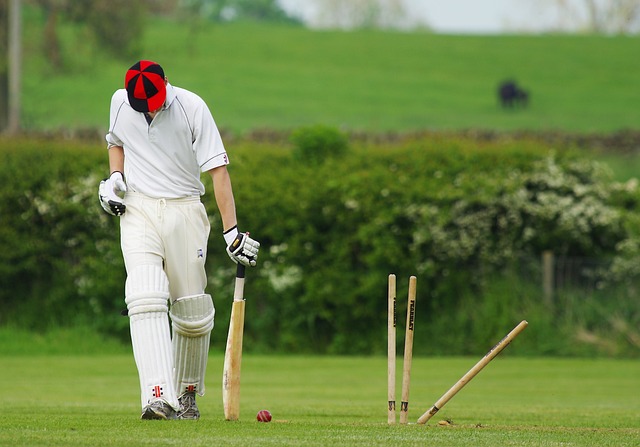
The intersection between sports and gambling is a complex legal landscape that demands both robust regulation and specialist legal oversight. While gambling can add excitement and commercial revenue to sport, it also presents significant risks—ranging from integrity breaches to criminal exploitation.
In the United Kingdom, the regulation of gambling in sport is governed by a combination of statutory law, regulatory frameworks, and sports governing body rules, all of which fall under the broader scope of sports law.
This article explores how sports law influences the regulation of gambling in sport and outlines the key legal obligations and risks involved.
Free Initial Telephone Discussion
For a free initial discussion with a member of our New Enquiries Team, get in touch with us today. We are experienced in dealing with all the legal aspects of sports law, and once instructed, we will review your situation and discuss the options open to you in a clear and approachable manner. Early expert legal assistance can help ensure you are on the best possible footing from the start and also avoid the stress of dealing with these issues on your own. Simply call us on 0345 901 0445 or click here to make a free enquiry and a member of the team will get back to you.
- The Legal Framework for Gambling in the UK
The core legislation governing gambling in England and Wales is the Gambling Act 2005. This Act regulates betting, gaming, and lotteries and established the Gambling Commission, the UK’s primary regulator for the gambling industry.
The Gambling Act 2005 has three core objectives:
- To prevent gambling from being a source of crime or disorder
- To ensure gambling is conducted in a fair and open way
- To protect children and other vulnerable persons from being harmed or exploited by gambling
These objectives are directly relevant to sports, where gambling is not only highly popular but also tightly integrated with sponsorships, media rights, and fan engagement.
- Role of the Gambling Commission
The Gambling Commission plays a central role in regulating how gambling interacts with sport. It licenses and oversees betting operators and has the power to investigate and sanction those who breach licensing conditions or the law.
In the context of sport, the Gambling Commission focuses on:
- Ensuring the integrity of sports betting markets
- Collaborating with sports governing bodies to prevent match-fixing
- Monitoring suspicious betting patterns and alerting relevant authorities
- Licensing betting operators who offer markets on sporting events
Operators must have systems in place to detect irregularities, prevent underage gambling, and report potential criminal conduct. A failure to comply can result in licence suspension or revocation.
- Sports Law and Integrity Provisions
Beyond statutory regulation, sports law is shaped significantly by the rules and codes of conduct established by sports governing bodies. These rules aim to preserve the integrity of sport, particularly in relation to gambling.
Governing bodies such as:
- The Football Association (FA)
- The England and Wales Cricket Board (ECB)
- The British Horseracing Authority (BHA)
- The Professional Darts Corporation (PDC)
- And others
… all have strict rules prohibiting betting by participants and regulating the disclosure of inside information.
For example, the FA’s rules state that participants—including players, managers, match officials and club staff—must not bet on any football-related matter worldwide. This extends to:
- Betting on match outcomes, player transfers, or managerial appointments
- Providing others with inside information
- Failing to report suspicious betting activity
Breaches of these rules can lead to disciplinary proceedings, fines, suspensions, or lifetime bans.
- Preventing Match-Fixing and Corruption
One of the most critical areas where sports law and gambling regulation intersect is in the prevention of match-fixing, spot-fixing, and manipulation of sporting events. These practices threaten the integrity of competitions and public confidence in sport.
Match-fixing may involve:
- Athletes intentionally underperforming
- Officials influencing the outcome
- Spot-fixing (manipulating specific moments rather than full results)
Such offences can violate both sporting regulations and criminal law. In serious cases, charges may be brought under the Fraud Act 2006 or Bribery Act 2010.
To counter these threats, sports bodies often implement:
- Education programmes for athletes and staff
- Mandatory integrity training
- Reporting obligations for suspicious approaches
- Whistleblower protections
Blackstone Solicitors can advise clients facing investigations or accusations of betting-related misconduct, ensuring proper representation throughout regulatory or legal proceedings.
- Sponsorship and Advertising Regulations
Sports and gambling have a long-standing commercial relationship, with betting companies often serving as major sponsors of clubs, leagues, and tournaments. However, such partnerships are subject to increasing scrutiny and legal restriction.
The Gambling Industry Code for Socially Responsible Advertising and guidelines issued by the Advertising Standards Authority (ASA) regulate how gambling brands can advertise within sports, including:
- Prohibiting content that targets children or features under-25s
- Banning misleading or socially irresponsible advertising
- Requiring clear responsible gambling messages
Additionally, the UK government has been considering further restrictions on gambling sponsorship in sport, particularly in football. This could significantly impact the financial landscape for clubs and athletes alike.
Any organisation entering into a sponsorship agreement with a gambling brand must ensure the contract complies with legal and regulatory standards. Our team at Blackstone Solicitors assists sports clients in drafting and negotiating compliant commercial agreements.
- Role of International Sports Law
While this article focuses on the domestic context, it is important to recognise that many UK sports bodies and competitions operate internationally, subjecting them to global governance.
Organisations such as:
- The International Olympic Committee (IOC)
- FIFA and UEFA
- The International Tennis Integrity Agency (ITIA)
… have their own codes on gambling and integrity. Athletes and teams competing at an international level must ensure compliance with these broader rules, as breaches can lead to bans that apply across multiple jurisdictions.
Our sports law experts can help clients navigate the web of domestic and international obligations, reducing the risk of cross-border regulatory conflict.
- Protecting Athletes and Vulnerable Groups
Another key function of sports law in gambling regulation is the protection of athletes—particularly young or vulnerable individuals—who may be targeted or exploited through betting-related schemes.
Sports bodies often implement safeguarding policies and require:
- Monitoring of betting behaviour among players
- Access to counselling or support for gambling addiction
- Reporting mechanisms for concerns involving teammates or staff
Where problems arise, legal intervention may be necessary—whether to defend against unfair disciplinary actions, negotiate protective measures, or advise on reputational risk.
- Data Use and Betting Markets
The value of sports data—such as live scores, player statistics, and performance analytics—is immense in the betting industry. As such, the legal rights to collect, licence, and commercialise this data are fiercely protected.
Legal issues surrounding sports data include:
- Intellectual property rights in statistics and live data feeds
- Contractual rights between leagues and data aggregators
- Misuse or scraping of real-time data by unauthorised betting platforms
There have been growing legal debates on whether betting operators should pay “sports rights” fees to governing bodies. This is an area where commercial sports law, IP law, and gambling regulation intersect closely.
Conclusion
The regulation of gambling in sport is a dynamic and increasingly scrutinised area of law, where integrity, commercial interests, and public trust all converge. Sports law plays a central role in shaping how gambling is monitored, controlled, and integrated into sporting life—impacting athletes, clubs, governing bodies, and betting companies alike.
How we can help
We have a proven track record of helping clients deal with the process involved in sports law. We will guide you diligently and ensure all checks are carried out swiftly and efficiently and we firmly believe that with the right solicitors by your side, the entire process will seem more manageable and far less daunting. You can read more about the range of sports law services we offer by clicking here: https://blackstonesolicitorsltd.co.uk/sports-law/
How to Contact Our Sports Solicitors
It is important for you to be well informed about the issues and possible implications of dealing with legal issues in sports. However, expert legal support is crucial in terms of ensuring a positive outcome to your case.
To speak to our Sports solicitors today, simply call us on 0345 901 0445, or click here to make a free enquiry. We are well known across the country and can assist wherever you are based. We also have offices based in Cheshire and London.
Disclaimer: This article provides general information only and does not constitute legal advice on any individual circumstances.
