

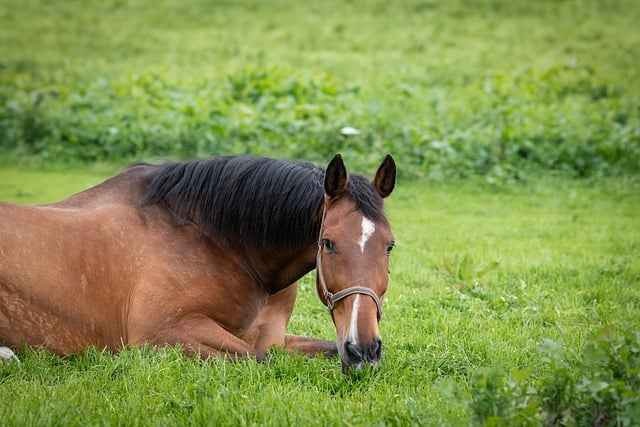
Keeping horses on your property can be a fulfilling experience, but it also comes with a range of legal responsibilities. Understanding these requirements is crucial for ensuring the welfare of your horses and complying with UK law. At Blackstone Solicitors, we offer expert legal services across England and Wales to help you navigate the complexities of equine law. This article provides a comprehensive overview of the legal requirements for keeping horses on your property.
Free Initial Telephone Discussion
For a free initial discussion with a member of our New Enquiries Team, get in touch with us today. We are experienced in dealing with all the legal aspects of Equine Law, and once instructed, we will review your situation and discuss the options open to you in a clear and approachable manner. Early expert legal assistance can help ensure you are on the best possible footing from the start and also avoid the stress of dealing with these issues on your own. Simply call us on 0345 901 0445 or click here to make a free enquiry and a member of the team will get back to you.
Legal Framework Governing Horse Keeping
Several laws and regulations govern the keeping of horses in the UK, including the Animal Welfare Act 2006, equine identification regulations, and local planning laws. These laws set out the rights and responsibilities of horse owners, ensuring that horses are treated humanely and that their living conditions meet legal standards.
Key Legislation
- Animal Welfare Act 2006: This Act is the cornerstone of animal welfare legislation in the UK. It imposes a duty of care on horse owners to ensure that their horses are provided with adequate food, water, shelter, and veterinary care. Failure to meet these requirements can result in prosecution and penalties
- Equine Identification Regulations: These regulations require all horses to have a valid passport, which contains key information about the horse. The passport must be kept with the horse at all times and is essential for transporting, selling, and competing with the horse
- Local Planning Laws: Local authorities may have specific planning regulations that govern the use of land for keeping horses. These regulations can include requirements for stabling, waste management, and land use permissions
Basic Welfare Requirements
Under the Animal Welfare Act 2006, horse owners have a legal duty to ensure that their horses’ basic welfare needs are met. These requirements include:
- Suitable Environment
Horses must be provided with a suitable environment that protects them from adverse weather conditions and allows them to express natural behaviours. This includes providing adequate shelter, such as stables or field shelters, and ensuring that the living area is clean, dry, and safe
- Proper Nutrition
Horses require a balanced diet that meets their nutritional needs. Owners must provide access to clean water and appropriate feed, taking into account the horse’s age, breed, and activity level. Regularly monitoring the horse’s body condition and adjusting the diet as needed is essential for maintaining health
- Health and Veterinary Care
Owners must ensure that their horses receive regular veterinary care, including vaccinations, deworming, and dental check-ups. Prompt treatment for any injuries or illnesses is crucial for preventing suffering and promoting recovery. Keeping detailed records of all veterinary treatments is also important
- Social Interaction
Horses are social animals and require interaction with other horses or humans to prevent loneliness and stress. Providing opportunities for socialisation, whether through group turnout or regular human interaction, is essential for their mental well-being
- Protection from Pain and Suffering
Owners must take steps to protect their horses from pain, suffering, injury, and disease. This includes providing appropriate training, using humane equipment, and ensuring that the horse’s living conditions do not cause harm
Equine Identification Requirements
Equine identification regulations require all horses to have a valid passport. This passport contains key information about the horse, including its identification details, vaccination records, and ownership history. The passport must be kept with the horse at all times and is essential for transporting, selling, and competing with the horse
Obtaining a Horse Passport
To obtain a horse passport, owners must apply through an authorised passport issuing organisation. The application process typically involves providing identification details, such as the horse’s breed, age, and markings, and paying a fee. Once issued, the passport must be kept up to date with any changes in ownership or vaccination records
Microchipping
In addition to a passport, all horses must be microchipped. The microchip provides a permanent form of identification and helps reunite lost or stolen horses with their owners. Microchipping must be carried out by a qualified veterinarian and the details recorded in the horse’s passport
Local Planning and Land Use Regulations
Local authorities may have specific planning regulations that govern the use of land for keeping horses. These regulations can include requirements for stabling, waste management, and land use permissions. It is essential to check with your local council to ensure that you comply with any relevant planning laws
Stabling Requirements
Local planning regulations may specify the minimum size and construction standards for stables. These requirements are designed to ensure that stables provide adequate space, ventilation, and safety for horses. Owners must ensure that their stables meet these standards to comply with local laws
Waste Management
Proper waste management is crucial for maintaining a clean and healthy environment for horses. Local authorities may have specific regulations for the disposal of manure and other waste materials. Owners must ensure that they have appropriate facilities for waste storage and disposal, and that they comply with any relevant regulations
Land Use Permissions
Using land for keeping horses may require planning permission from the local council. This can include permissions for building stables, creating exercise areas, or using land for grazing. It is essential to check with your local council to determine whether any permissions are required and to obtain them if necessary
Conclusion
Keeping horses on your property involves a range of legal responsibilities to ensure their welfare and comply with UK law. By understanding the requirements set out by the Animal Welfare Act 2006, equine identification regulations, and local planning laws, you can provide a safe and healthy environment for your horses. At Blackstone Solicitors, we offer expert legal services across England and Wales to help you navigate the complexities of equine law. Whether you need assistance with obtaining a horse passport, complying with local planning regulations, or understanding your legal responsibilities, our experienced team is here to support you. Contact us today to learn more about how we can assist you with your equine law needs.
How we can help
We have a proven track record of helping clients deal with the process involved in equine legal issues. We will guide you diligently and ensure all checks are carried out swiftly and efficiently and we firmly believe that with the right solicitors by your side, the entire process will seem more manageable and far less daunting. You can read more about the range of equine law services we offer by clicking here: https://blackstonesolicitorsltd.co.uk/equine-law/.
How to Contact Our Equine Law Solicitors
It is important for you to be well informed about the issues and possible implications of dealing with the many aspects of equine law. However, expert legal support is crucial in terms of ensuring a positive outcome to your case.
To speak to our Equine Law solicitors today, simply call us on 0345 901 0445, or click here to make a free enquiry. We are well known across the country and can assist wherever you are based. We also have offices based in Cheshire and London.
Disclaimer: This article provides general information only and does not constitute legal advice on any individual circumstances.
