

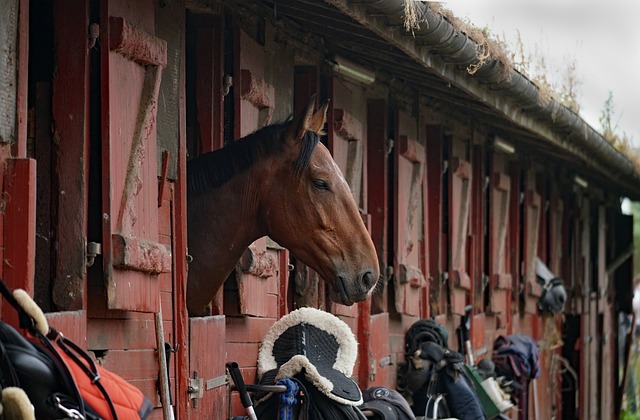
Owning and operating a horse stable is a significant responsibility that involves various legal obligations. These responsibilities are designed to ensure the welfare of the horses, the safety of individuals, and the smooth operation of the stable. At Blackstone Solicitors, we provide expert legal services across England and Wales to help stable owners navigate these complexities.
Free Initial Telephone Discussion
For a free initial discussion with a member of our New Enquiries Team, get in touch with us today. We are experienced in dealing with all the legal aspects of Equine Law, and once instructed, we will review your situation and discuss the options open to you in a clear and approachable manner. Early expert legal assistance can help ensure you are on the best possible footing from the start and also avoid the stress of dealing with these issues on your own. Simply call us on 0345 901 0445 or click here to make a free enquiry and a member of the team will get back to you.
Understanding the Legal Framework
The legal responsibilities of a horse stable owner are governed by several laws and regulations, including the Animal Welfare Act 2006, the Torts (Interference with Goods) Act 1977, and various health and safety regulations. Compliance with these laws is essential to avoid legal disputes and ensure the well-being of the horses and individuals involved.
Key Legal Responsibilities
- Animal Welfare
The welfare of the horses is paramount and is governed by the Animal Welfare Act 2006. This act requires stable owners to ensure that the horses in their care are provided with:
- A Suitable Environment: Horses must be kept in a safe and clean environment that protects them from hazards and adverse weather conditions
- A Healthy Diet: Horses should receive adequate nutrition and clean water to maintain their health
- Ability to Exhibit Normal Behaviour: Horses should have the opportunity to engage in natural behaviours, such as grazing and socialising with other horses
- Appropriate Company: Horses are social animals and should have appropriate companionship
- Protection from Pain, Suffering, Injury, and Disease: Regular veterinary care and prompt treatment of any health issues are essential
- Health and Safety
Stable owners have a duty to ensure the safety of individuals who interact with the horses, including staff, riders, and visitors. This involves:
- Risk Assessments: Conduct regular risk assessments to identify and mitigate potential hazards in the stable environment
- Safety Equipment: Provide appropriate safety equipment, such as helmets and body protectors, for individuals handling or riding the horses
- Training: Ensure that staff and riders are adequately trained in handling horses and using equipment safely
- Insurance
Having comprehensive insurance coverage is crucial for stable owners. This includes:
- Public Liability Insurance: Covers claims made by third parties for injuries or damages caused by the horses
- Employer’s Liability Insurance: Required if you employ staff, this insurance covers claims made by employees for work-related injuries or illnesses
- Property Insurance: Covers damage to the stable property and equipment
- Contracts and Agreements
Clear and comprehensive contracts are essential to outline the responsibilities and liabilities of all parties involved. This includes:
- Boarding Agreements: Detail the terms of boarding, including fees, services provided, and the responsibilities of both the stable owner and the horse owner
- Training Contracts: Outline the terms of training services, including the methods used, duration, and fees
- Lease Agreements: If leasing horses, include clauses that specify the lessee’s responsibilities and liabilities
- Compliance with Licensing Regulations
Stable owners must comply with local licensing regulations, which may include obtaining a licence to operate a livery yard or riding school. These regulations are designed to ensure that the facilities meet specific standards of care and safety
Managing Legal Risks
Despite taking all necessary precautions, legal disputes can still arise. Here are some steps to manage legal risks effectively:
- Regular Inspections and Maintenance
Conduct regular inspections and maintenance of the stable facilities to ensure they are safe and in good condition. This includes:
- Fencing and Gates: Ensure that all fencing and gates are secure and free from damage
- Stables and Shelters: Maintain clean and safe stables and shelters for the horses
- Equipment: Regularly inspect and maintain all equipment used in the stable
- Record Keeping
Keeping detailed records can be invaluable in the event of a legal dispute. Maintain documentation of:
- Horse Care: Record all aspects of horse care, including feeding, veterinary visits, and training sessions
- Incidents: Document any incidents or accidents involving the horses or individuals, including witness statements and photographs
- Contracts: Keep copies of all contracts and agreements with horse owners, trainers, and staff
- Legal Advice
Seek legal advice to ensure compliance with all relevant laws and regulations. At Blackstone Solicitors, we specialise in equine law and can provide expert guidance on:
- Drafting Contracts: We can assist in drafting clear and comprehensive contracts to protect your interests
- Dispute Resolution: If a legal dispute arises, we can represent you in negotiations or court proceedings
- Compliance: We can help you navigate the complex regulatory landscape to ensure your stable operates within the law
Conclusion
Owning and operating a horse stable involves significant legal responsibilities, from ensuring the welfare of the horses to maintaining a safe environment for individuals. By understanding and complying with the relevant laws and regulations, stable owners can minimise legal risks and ensure the smooth operation of their facilities.
At Blackstone Solicitors, we are committed to providing expert legal services to horse stable owners across England and Wales. If you have any questions or need assistance with legal matters related to your stable, please do not hesitate to contact us.
How we can help
We have a proven track record of helping clients deal with the process involved in equine legal issues. We will guide you diligently and ensure all checks are carried out swiftly and efficiently and we firmly believe that with the right solicitors by your side, the entire process will seem more manageable and far less daunting. You can read more about the range of equine law services we offer by clicking here: https://blackstonesolicitorsltd.co.uk/equine-law/.
How to Contact Our Equine Law Solicitors
It is important for you to be well informed about the issues and possible implications of dealing with the many aspects of equine law. However, expert legal support is crucial in terms of ensuring a positive outcome to your case.
To speak to our Equine Law solicitors today, simply call us on 0345 901 0445, or click here to make a free enquiry. We are well known across the country and can assist wherever you are based. We also have offices based in Cheshire and London.
Disclaimer: This article provides general information only and does not constitute legal advice on any individual circumstances.
