

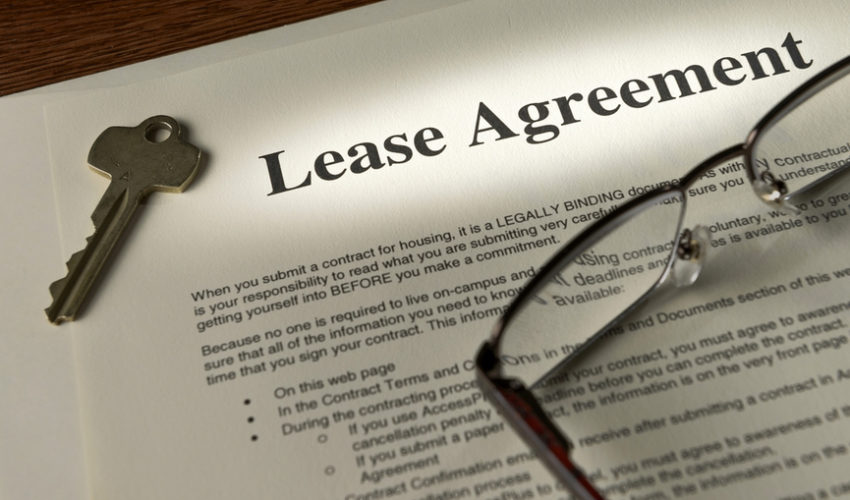
As tenants in England and Wales, leaseholders hold certain rights when it comes to extending their leases. These rights are designed to offer protection and flexibility, ensuring that individuals can continue to enjoy their properties without unnecessary hindrance or uncertainty. In this article, What Is A Lease Extension Agreement, we take a look at the process and mechanism involved.
Free Initial Telephone Discussion
For a free initial discussion with a member of our New Enquiries Team, get in touch with us today. We are experienced in dealing with all the legal aspects of lease extensions and leasehold property, and once instructed, we will review your situation and discuss the options open to you in a clear and approachable manner. Early expert legal assistance can help ensure you are on the best possible footing from the start and also avoid the stress of dealing with these issues on your own. Simply call us on 0345 901 0445 or click here to make a free enquiry and a member of the team will get back to you.
Understanding Leasehold Ownership
Before delving into lease extension agreements, it’s essential to understand the fundamental concept of leasehold ownership. Unlike freehold ownership, where you own the property and the land it sits on indefinitely, a leasehold property grants you the exclusive right to occupy and use the specific property for a fixed period, as outlined in a lease agreement.
The lease term is a crucial factor in determining the value of a leasehold property. As the remaining lease term shortens, the property’s value typically declines because potential buyers become increasingly hesitant to invest in a property nearing the end of its leasehold lifespan.
The Role of a Lease Extension Agreement
A lease extension agreement is a legal document that formalizes the process of extending the existing lease term of a leasehold property. It outlines the new terms and conditions of your extended ownership, including:
- Length of the Extension: This specifies the additional period added to the remaining lease term.
- Premium: This is the one-off payment made by the leaseholder to the freeholder (landlord) in exchange for the extension.
- Ground Rent (if applicable): This is the annual rent payable to the freeholder throughout the extended lease term (although some extensions may involve extinguishing the ground rent entirely).
- Other Covenants: These are the rights and responsibilities of both the leaseholder and the freeholder, potentially including maintenance obligations, alteration permissions, and dispute resolution mechanisms.
The Purpose of a Lease Extension Agreement
A lease extension agreement serves several key purposes for both leaseholders and freeholders:
- For Leaseholders:
– Secures Long-Term Ownership: By extending the lease term, leaseholders gain security and stability in their property ownership. A longer lease term increases the property’s value and makes it more attractive for future sale or refinancing.
– Provides Certainty: The agreement clearly outlines the new lease terms, including the duration, premium, and ongoing obligations, fostering a clear understanding of rights and responsibilities for both parties.
- For Freeholders:
– Receives Premium: The lease extension agreement provides the freeholder with a significant financial benefit in the form of the premium paid by the leaseholder.
– Maintains Ownership: While the lease term extends, the freeholder retains ultimate ownership of the land itself.
– Clarifies Responsibilities: The agreement formally documents the ongoing rights and obligations of both parties, potentially streamlining future communication and dispute resolution.
The Process of Entering a Lease Extension Agreement
There are two primary ways to secure a lease extension:
- Informal Agreement: This involves negotiating directly with the freeholder outside of a formal statutory framework. While quicker and potentially cheaper, it lacks the legal enforceability of a formal agreement and relies solely on the freeholder’s willingness to negotiate.
- Formal Lease Extension under LRHUDA 1993: The Leasehold Reform, Housing and Urban Development Act 1993 (LRHUDA 1993) provides a legal framework for qualifying leaseholders to extend their leases. This process involves following specific steps, including serving formal notices, potentially engaging in negotiations, and potentially referring disputes to the First-tier Tribunal (Property Chamber) for determination.
Key Points to Consider in a Lease Extension Agreement
When considering a lease extension agreement, several crucial elements require careful attention:
- Valuation: Determining the fair and reasonable premium for the extension is vital. This typically involves considering factors like the remaining lease term, the property’s value, and local market trends. Seeking professional valuation advice is highly recommended.
- Legal Representation: Navigating the legalities of a lease extension, especially under the LRHUDA 1993 framework, can be complex. Consulting a solicitor experienced in leasehold enfranchisement can safeguard your interests and ensure the agreement adheres to legal requirements.
- Negotiation Skills: Negotiating the terms of the extension, particularly the premium, is crucial. Strong negotiation skills or the assistance of a legal professional can help you achieve a favourable outcome.
Conclusion
A lease extension agreement plays a vital role in securing the long-term future of your leasehold property. By understanding its purpose, key elements, and the process involved, you can make informed decisions and approach the negotiations with confidence.
At Blackstone Solicitors, our team of experienced solicitors can guide you through every step of the lease extension
How we can help
We have a proven track record of helping clients deal with lease extensions. We will guide you through the process and ensure all checks are carried out swiftly and efficiently and we firmly believe that with the right solicitors by your side, the entire process will seem more manageable and far less daunting.
How to Contact Our Commercial Property Solicitors
It is important for you to be well informed about the issues and possible implications of a lease extension. However, expert legal support is crucial in terms of ensuring a positive outcome to your case.
To speak to our Commercial Property solicitors today, simply call us on 0345 901 0445, or click here to make a free enquiry. We are well known across the country and can assist wherever you are based. We also have offices based in Cheshire and London.
Disclaimer: This article provides general information only and does not constitute legal advice on any individual circumstances.
