

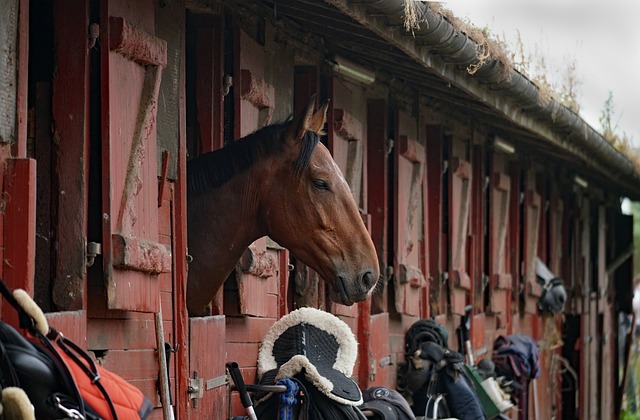
Owning or managing a livery yard involves more than just providing stabling and care for horses. It also means entering into a legal relationship with clients—often horse owners—whose expectations, needs, and liabilities must be clearly defined and agreed upon in writing. A comprehensive livery yard contract is not only a mark of professionalism; it is essential for preventing disputes and ensuring smooth operations.
At Blackstone Solicitors, we regularly advise clients across England and Wales on drafting, reviewing, and enforcing livery yard contracts. Below, we outline the key elements that should be included in such agreements and explain why each is important from both a legal and practical perspective.
Free Initial Telephone Discussion
For a free initial discussion with a member of our New Enquiries Team, get in touch with us today. We are experienced in dealing with all the legal aspects of Equine Law, and once instructed, we will review your situation and discuss the options open to you in a clear and approachable manner. Early expert legal assistance can help ensure you are on the best possible footing from the start and also avoid the stress of dealing with these issues on your own. Simply call us on 0345 901 0445 or click here to make a free enquiry and a member of the team will get back to you.
- Parties to the Agreement
Every contract must clearly identify the parties involved. In the case of a livery yard contract, this will typically be:
- The Livery Yard Owner or Operator (whether an individual or a company)
- The Horse Owner or Client
Ensure full legal names and addresses are included, along with any trading names or business details. This clarity helps prevent confusion and strengthens the enforceability of the contract.
- Description of Services Provided
The contract should detail the type of livery service being offered. Common types include:
- DIY Livery (owner is responsible for daily care)
- Part Livery (yard provides some daily care)
- Full Livery (yard takes full responsibility for daily care)
- Working or Schooling Livery (includes exercise or training)
- Grass Livery (outdoor grazing with minimal facilities)
For each service level, the specific responsibilities of both parties should be clearly stated—e.g. who feeds, mucks out, turns out/in, administers medication, etc. Ambiguities in service descriptions are a frequent cause of disputes and should be avoided.
- Fees and Payment Terms
The contract must specify:
- The monthly or weekly fee
- What is included in that fee (e.g. bedding, feed, hay, use of facilities)
- When payment is due and the accepted payment methods
- Late payment penalties or interest charges
- Whether deposits or advance payments are required
You may also want to include provisions for reviewing or increasing fees (e.g. annually or with inflation).
- Notice Periods and Termination
Clear terms must be set out for:
- Minimum contract duration
- Required notice period to terminate (typically 30 days)
- Grounds for immediate termination (e.g. breach of yard rules, failure to pay, abusive behaviour)
It is advisable to include the yard’s right to terminate with notice for any reason, and the client’s reciprocal right, to avoid disputes later on.
- Horse Identification and Health Requirements
The contract should require the horse owner to provide:
- Full identification details of the horse (passport copy, microchip number)
- Up-to-date vaccination and worming records
- Any medical conditions or behavioural issues the yard needs to be aware of
- Emergency vet contact details and authority to call a vet if necessary
Consider including a clause requiring regular worm counts, vaccinations (e.g. flu and tetanus), and the right to isolate horses if necessary for health reasons.
- Yard Rules and Code of Conduct
A well-run yard typically operates with a set of rules governing:
- Turnout schedules
- Riding times
- Arena use
- Visiting hours
- Behavioural expectations for owners and riders
- Waste management and fire safety procedures
These rules should be annexed to the contract or incorporated by reference. It’s important to reserve the right to amend the rules from time to time, with reasonable notice to clients.
- Insurance and Liability
This is one of the most crucial sections from a legal standpoint. The contract should clarify:
- What insurance the yard holds (e.g. public liability, care/custody/control)
- That the owner is responsible for insuring their horse, tack, and personal belongings
- That risk of injury or loss remains with the owner unless due to yard negligence
To further protect the yard, consider including a limitation of liability clause, drafted carefully to remain enforceable under UK consumer law. Yard owners should also consider a waiver or indemnity clause, though these must be reasonable and proportionate.
- Veterinary and Emergency Care
The contract should specify:
- Who has authority to call a vet in an emergency
- Whether the yard may administer first aid or routine treatments
- That all vet bills remain the owner’s responsibility
- Protocols for quarantine or isolation if a horse shows signs of illness
Some yards include clauses allowing them to make welfare-based decisions (e.g. humane euthanasia) in consultation with a vet, though this is a sensitive area and should be worded with care.
- Use of Yard Facilities
Clarify:
- What facilities are available (arenas, jumps, storage, wash bays, etc.)
- Whether there are extra charges for specific items (e.g. solarium, walker)
- Rules for shared facility use and booking systems if applicable
- Any restrictions on riding instructors, clinics or third-party professionals
This section helps to manage expectations and avoid disputes over access or priority.
- Tack and Equipment Storage
Set out:
- What storage is provided (e.g. tack room, lockers)
- Any restrictions on what may be stored
- That the yard accepts no liability for lost or stolen items
Encourage clients to insure their own equipment and secure tack with locks where appropriate.
- Dispute Resolution
Consider including a clause that sets out how disputes will be handled, such as:
- Internal complaints procedure
- Use of mediation or arbitration
- Jurisdiction (e.g. courts of England and Wales)
This can reduce the risk of costly and time-consuming litigation.
- Miscellaneous Clauses
Finally, include general provisions, such as:
- Entire agreement clause – confirming that all terms are in the written contract
- Governing law – usually England and Wales
- A severability clause, so that if one part of the contract is invalid, the rest still stands
- A clause permitting reasonable contract updates, with written notice
Conclusion
A well-drafted livery yard contract protects both yard owners and clients by setting out clear expectations, responsibilities and processes. It provides a professional framework for what can otherwise be a very informal or emotion-driven relationship. The more detailed and tailored the agreement, the better equipped you will be to handle issues before they escalate.
How we can help
We have a proven track record of helping clients deal with the process involved in equine legal issues. We will guide you diligently and ensure all checks are carried out swiftly and efficiently and we firmly believe that with the right solicitors by your side, the entire process will seem more manageable and far less daunting. You can read more about the range of equine law services we offer by clicking here: https://blackstonesolicitorsltd.co.uk/equine-law/.
How to Contact Our Equine Law Solicitors
It is important for you to be well informed about the issues and possible implications of dealing with the many aspects of equine law. However, expert legal support is crucial in terms of ensuring a positive outcome to your case.
To speak to our Equine Law solicitors today, simply call us on 0345 901 0445, or click here to make a free enquiry. We are well known across the country and can assist wherever you are based. We also have offices based in Cheshire and London.
Disclaimer: This article provides general information only and does not constitute legal advice on any individual circumstances.
