

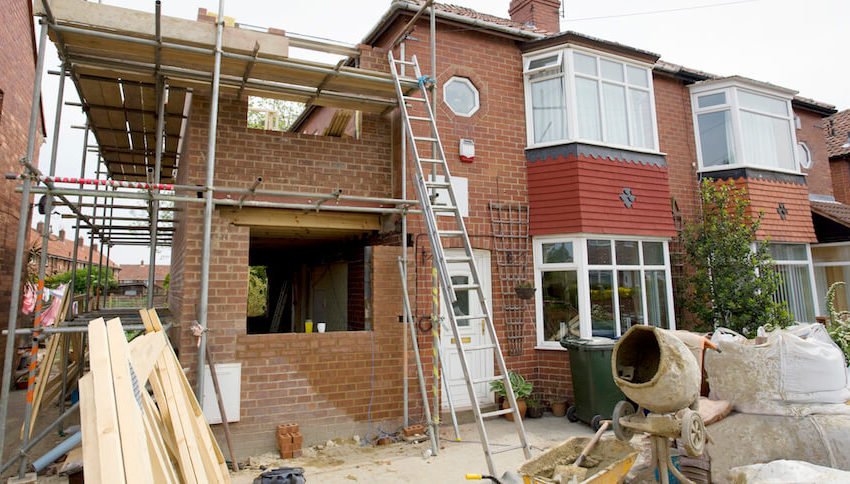
When embarking on a construction project, the primary objective is to guarantee that all potential circumstances are accounted for within the contractual documentation and that all involved parties have reached a mutual understanding. Nevertheless, it is not uncommon for contract disputes and other problems to emerge in the context of construction projects.
Disputes may emerge in certain instances due to inadequate workmanship by a contractor or the attempt by a supplier or contractor to utilise materials of inferior quality than what was originally agreed upon. Conversely, the potential for conflict may emerge when the client neglects to submit payment within the designated timeframe. It is worth noting that a significant number of construction conflicts develop due to the lack of comprehensive clarity in the initial contract terms. In this article, Contract Disputes In Construction, we take a look at the process involved and the options available to you.
Please click here to find out more about our Construction Services
Free initial telephone discussion
For a free initial discussion with a member of our New Enquiries Team, get in touch with us today. We are experienced in dealing with all the legal aspects of construction dispute resolution. Once instructed, we will review your situation and discuss the options open to you in a clear and approachable manner. Early expert legal assistance can help ensure you are on the best possible footing from the start. Simply call us on 0345 901 0445 or click here to make a free enquiry and a member of the team will get back to you.
The importance of a well-constructed contract
Most individuals would express a preference for mitigating the expensive delays associated with building conflicts and litigation. The optimal strategy for mitigating such conflicts involves ensuring that the initial contract documents are unambiguous and comprehensive. Additionally, it is advisable for both parties to collaborate with a proficient construction solicitor to guarantee a thorough understanding of their respective rights, obligations, and the potential ramifications of non-compliance.
Contract disputes in construction
Several prevalent concerns that frequently arise in disputes within the construction industry include:
- The inability to accomplish tasks within the designated timeframe
- Non-compliance with prescribed plans and specifications
- Modifications to initial plans and specs
- Non-compliance with the prescribed payment timeline
Irrespective of the precise form of the disagreement, a significant percentage of disagreements arising from construction contracts ultimately revolve around financial matters. Construction delays can have a significant impact on the client’s capacity to utilise the property, resulting in reduced earnings or postponed sales. Modifications to plans and specifications, as well as the necessity to rectify deviations made by a contractor, incur financial implications, leading to frequent disagreements among the involved parties on the allocation of responsibility for these expenses. The delayed disbursement of payments is a significant challenge to contractors, as it hampers their ability to maintain a steady cash flow necessary for meeting financial obligations such as employee wages, subcontractor fees, and material supplier payments, all of which are crucial for the uninterrupted progress of the project.
Litigation may not always be the optimal solution for either party involved. The resolution of issues through legal proceedings might result in extended timeframes and increased financial costs. In certain instances, the resolution of construction disputes through legal means becomes imperative. The resolution of disputes by alternative means can prove advantageous for both parties involved, as it allows for the uninterrupted progress of the project and the continuous flow of funds.
In this post we discuss several methods in resolving a dispute in the construction industry.
Arbitration
Arbitration is a form of alternative dispute resolution that is based on private contractual agreements. The provision states that any differences shall be addressed through the involvement of a neutral third-party arbitrator or arbitration panel, as selected by the parties involved in the dispute. The resolution of conflicts is predicated upon the consideration and analysis of pertinent factual information, supporting documents, and applicable legal principles.
The arbitration process is carried out by an assigned arbitrator in adherence to relevant contractual norms and the statutory regulatory framework established by the courts. The availability of appeal rights is restricted, and it is customary for the successful side to be awarded legal fees.
Advantages:
- There is no public record of the proceedings; they are private, but not necessarily confidential.
- Although this depends heavily on how the arbitrator conducts the arbitration, speed is an important factor.
- The parties can agree on an arbitrator with the necessary knowledge.
- The arbitrators’ award is enforceable as a court judgement.
Disadvantages:
- The parties must pay for both the arbitrator and the venue.
- Occasionally, arbitration merely imitates court procedures, eliminating the advantages of informality and swiftness.
- If one party fails to comply with the arbitrator’s instructions, the arbitrator has limited powers of compulsion or discipline, which can considerably slow down the procedure.
- The arbitrator lacks the authority to take interim remedies, such as those to preserve property.
- Limited rights of appeal.
Mediation
Mediation is the involvement of an impartial third person who facilitates the resolution of conflicts between opposing parties by employing effective communication and negotiation techniques. The process is characterised by its dynamic nature, structured framework, and active participation of individuals involved. It is strongly encouraged for all individuals involved in the mediation to actively engage and fully participate in the process. Mediation is characterised as a “party-centric” approach since it primarily emphasises the needs, rights, and interests of the involved parties. Some of the main characteristics of mediation are:
- The mediator is a third party.
- The procedure is private and discreet.
- Typically, participation by both sides is voluntary.
- Compliance with the final agreement is typically high since the parties have collaborated to create a mutually acceptable solution.
- The expenditures are far less than alternative settlement strategies.
- A further advantage is the maintenance of the parties’ relationship. Good faith plays a role in the resolution of disputes using this technique, which is legally enforceable only with the consent of both parties.
Adjudication
Adjudication refers to a procedural mechanism, either established by contract or statute, that facilitates the expeditious and provisional resolution of a disagreement. The administration of the process is entrusted to an impartial third-party arbiter, who is selected by the parties involved in the dispute. Adjudication is typically bound by a stringent time limit and is contingent solely upon the submission of relevant documentation. Adjudicators have the potential to adopt an inquisitorial role, which involves proactively examining both factual evidence and legal principles.
Adjudication rulings hold conclusive status unless they undergo arbitration or litigation processes resulting in their overturning. The absence of an appeal mechanism and the limited scope for resisting enforcement are evident. The allocation of legal fees is up to the arbiter’s discretion, unless expressly forbidden by the contractual requirements. The duration of the entire procedure may extend up to a maximum of 28 days, contingent upon the receipt of decisions and written submissions from all involved parties. It is important to note that the decisions rendered during this process hold legal authority and are obligatory. If the parties involved in a construction contract are unable to reach a consensus regarding an adjudication procedure, the law will impose one upon them.
To ensure compliance with the Housing Grants, Construction, and Regeneration Act, the procedures pertaining to contract adjudication must adhere to the guidelines outlined in section 108. The appointment of the adjudicator can be determined in one of three ways: either through explicit mention in the contract, through mutual agreement between the parties, or through the selection made by a nominating body, as often outlined in the contract.
In the event that the parties involved are unable to reach a consensus regarding procedures that adhere to the Housing Grants, Construction, and Regeneration Act, the Act enforces the implementation of the rules outlined in the Scheme for Construction Contracts.
Conciliation
Conciliation is a recognised method of alternative dispute resolution wherein an impartial third person, known as the conciliator, facilitates the resolution of conflicts by directing conversations towards a mutually acceptable outcome for all involved parties.
There are notable distinctions between mediation and conciliation. The fundamental difference lies in the specific responsibilities assumed by the conciliator. A mediator has the option to facilitate the establishment of shared understanding between parties without assuming accountability for generating or proposing settlement suggestions. Alternatively, they can adopt a more proactive and direct approach by expressing their own perspective and actively contributing to the development of settlement resolutions.
The role of a conciliator involves the evaluation of each party’s case, the provision of an assessment of the merits of their respective positions, and the proposal of potential settlement possibilities. The decision to accept or reject the conciliator’s solutions ultimately rests with the parties involved, as the conciliator does not possess the authority to impose their advice on the parties.
Conciliation possesses both benefits and drawbacks.
Advantages:
- Conciliation is most frequently utilised as a preventive technique of settling disagreements, whereas the assistance of a mediator or arbitrator is frequently sought when a dispute is ongoing and it appears that it will end up in court. Typically, a conciliator is appointed when a dispute appears imminent.
- Conciliation is a preventive technique that allows parties to address their conflicts in order to preserve their commercial connections.
- It can bring about resolutions far more quickly than legal proceedings.
- The conciliation procedure is conducted in strict confidence and without prejudice, so that if no settlement is reached, the reasons for failure are retained between the parties.
- Conciliation is effective when the parties want involvement and direction from a third party, as opposed to mediation’s more passive approach to guiding the parties.
- The expense of hiring a conciliator, particularly as a preventive measure as described above, and if a settlement can be achieved, can dramatically minimise the amount of time and money parties spend on litigation.
Disadvantages:
The primary disadvantage of conciliation is that it depends on the parties acknowledging the authority of the conciliator and desiring a resolution. The process may be a waste of time and money if any of the parties involved do not approach it with the appropriate mindset.
Litigation
Litigation refers to the procedural mechanism employed to commence or defend legal proceedings inside a court of law, with the aim of resolving a conflict or disagreement. The court possesses the jurisdiction to enforce or ascertain the rights or obligations of a party.
Litigation is prevalent within the construction sector due to its adversarial nature and the frequent occurrence of disagreements. Building disputes can be influenced by various environmental and behavioural factors. Resolving every detail and accurately predicting every scenario at the initiation of a project is a challenging task, particularly due to the long-term nature of such initiatives, which are typically marked by significant levels of uncertainty and complexity. The occurrence of construction disputes is primarily influenced by three key factors: uncertainty, contractual concerns, and behaviour.
Advantages:
- In general, it is regarded as the highest quality of decision making.
- Judges have the authority to compel parties to comply with deadlines and can impose consequences for noncompliance.
- Judges have the authority to issue temporary orders to protect a party’s position until the final judgement.
- In circumstances where factual or legal errors are made, there are defined rights of appeal.
Disadvantages:
- Costs may increase if the dispute is poorly managed or if the opposing party attempts to delay the procedures. It may last from 12 to 18 months.
- Possible prolongation of the time required to obtain a verdict.
- Generally, proceedings are done in public.
- The judgement will be appealable.
How we can help
We have a proven track record of dealing with construction contracts and dispute resolution. Not only does our construction department have extensive legal experience and knowledge of construction law but we also have the benefit of chartered surveying experts. The nature of construction disputes often involves potentially complex areas of law. We will guide you through the process and ensure all checks are carried out swiftly and efficiently. We firmly believe that with the right solicitors by your side, the entire process will seem more manageable and far less daunting.
How to contact our Construction solicitors
It is important for you to be well informed about the issues and possible implications of construction contracts and dispute resolution. Expert legal support is crucial in terms of ensuring a positive outcome to your case.
To speak to our Construction solicitors today, simply call us on 0345 901 0445, or click here to make a free enquiry. We are well known across the country and can assist wherever you are based. We also have offices based in Cheshire and London.
Disclaimer: This article provides general information only and does not constitute legal advice on any individual circumstances.
