

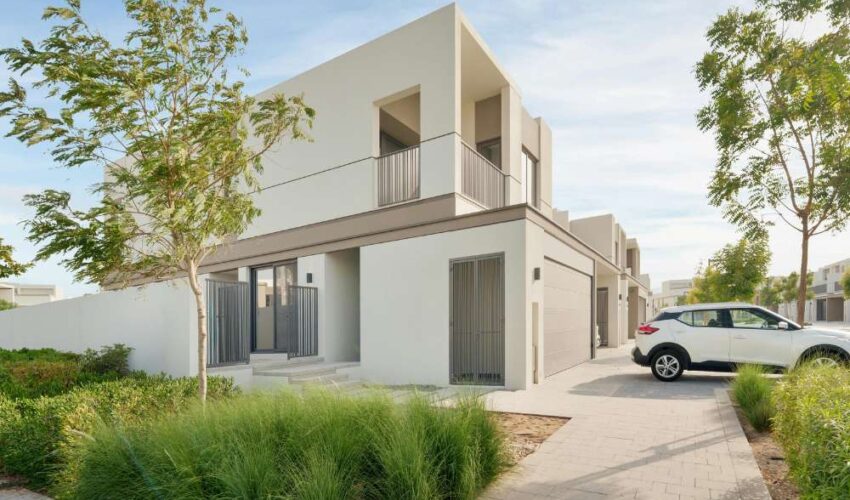
Affordable housing is a term that appears frequently in planning discussions, new development proposals and conversations about the housing market. Yet many people are unsure what it actually means, particularly when it relates to new build estates. Some assume it refers only to social housing. Others think it means discounted properties reserved for certain buyers. In reality, affordable housing on a new build estate covers several different types of homes, all created to make living in modern, well designed developments more accessible. As solicitors advising developers, landowners and private clients across England and Wales, we understand how important it is to explain this clearly. This article sets out what affordable housing is, how it fits into new developments and why it matters.
Please click here to find out more about our residential property services.
Free Initial Telephone Discussion
For a free initial discussion with a member of our new enquiries team, get in touch with us today. We are experienced in dealing with all aspects of residential property law and once instructed we will review your situation and discuss the options open to you in a clear and approachable manner. Early expert legal assistance can help ensure you avoid the stress of dealing with these issues on your own. Simply call us on 0345 901 0445 or click here to make a free enquiry and a member of the team will get back to you.
Understanding Affordable Housing in New Developments
Affordable housing refers to homes provided at a cost below typical market levels. This can mean a lower purchase price, a reduced rent or a shared ownership arrangement. The exact definition is set by government policy, and while the wording often changes slightly over time, the aim stays the same. It exists to help people who cannot afford full market rates but who still need decent, secure housing.
New build estates almost always include a requirement for affordable homes. Local planning authorities expect developers to contribute to the community by making part of their development accessible to a wider range of people. This requirement is not optional. It is a core part of the planning process.
Why Affordable Housing Is Required on New Build Estates
Every planning authority has policies that set out how many affordable homes must be included in new developments. These policies exist for several reasons.
Supporting Local Communities
When a new estate is built, it brings new residents into the area. Affordable housing ensures that those residents come from a range of backgrounds and income levels. This helps create balanced and sustainable communities rather than estates only accessible to the highest earners.
Meeting Local Housing Need
Local authorities must assess housing needs within their area. Many parts of England and Wales have significant shortages of affordable homes. By requiring developers to include these units within new estates, councils help address this shortage gradually.
Promoting Economic Stability
Affordable housing gives key workers such as teachers, nurses and carers the opportunity to live near their place of work. This helps local services function effectively and supports the wider economy.
Encouraging Responsible Development
By embedding affordable housing into planning policy, local authorities ensure that developers contribute to long term infrastructure and social needs, rather than focusing solely on market returns.
How Affordable Housing Requirements Are Agreed
Affordable housing obligations are usually recorded in a planning agreement known as a section 106 agreement. This is a legal document negotiated between the developer and the local authority. It sets out in detail the number of affordable homes required and how they will be delivered.
These agreements can be complex. They may cover matters such as:
- the mix of property sizes
- whether the units must be rented or offered as shared ownership
- requirements for selling discounted market units
- how the homes will be transferred to a housing association
- when the affordable units must be completed in the building schedule
Solicitors play a central role in negotiating and drafting these agreements, ensuring that the obligations are legally sound and workable for both sides.
Types of Affordable Housing Found on New Build Estates
Affordable housing is not one uniform category. New build estates often include several different types of affordable homes, depending on local needs and council policy.
Affordable Rent
Affordable rent properties are let at lower rates than private market rents. They are usually managed by housing associations or local authorities. These homes are designed for individuals and families who cannot afford full market rents but who do not necessarily qualify for social housing.
Social Rent
These homes have traditionally been offered at significantly lower rents than private market homes. They are reserved for people with the greatest housing needs. Although new developments include fewer social rent units than in the past, many estates still include a small number of them.
Shared Ownership
Shared ownership properties allow buyers to purchase a percentage of the home, often between twenty five and seventy five per cent, while paying rent on the remainder. These homes are popular with first time buyers who want to get onto the housing ladder with a smaller deposit.
Discounted Market Sales
Some councils require developers to offer certain homes at a discounted rate. The discount is fixed and stays with the property when it is resold, meaning the home remains affordable for future buyers.
First Homes
First Homes offer a specific type of discount for first time buyers, often aimed at key workers or local residents. These homes must remain discounted for future sales.
Where Affordable Housing Is Located on New Build Estates
One of the most common questions buyers ask is whether affordable housing is kept in a separate area of the estate. In the past, some developments created distinct clusters of affordable homes. Today, planning authorities often encourage or require integration. This means affordable units are spread throughout the estate rather than placed together.
Integrated developments promote stronger communities and reduce the risk of creating noticeable divisions within the estate. The quality of the affordable homes must match the standards of the market homes. They should be built to the same specification and look similar from the outside.
Common Misconceptions About Affordable Housing
Affordable housing attracts a number of myths. Many are based on outdated assumptions or misleading information. Here are some of the most common misunderstandings.
Affordable Housing Reduces the Value of Nearby Homes
There is little evidence to support this idea. On well designed estates, affordable housing is built to the same standard as market housing and blends in seamlessly.
Affordable Homes Are Poor Quality
Planning authorities require the same building standards for all new homes on an estate. Developers must ensure affordable units meet technical specifications and are suitable for long term use.
Affordable Housing Only Helps People with Very Low Incomes
Affordable housing actually covers a broad range of income levels. It supports people who cannot reach high market prices but who earn too much to qualify for traditional social housing.
Affordable Homes Create Separate Communities
Modern developments focus on integration. Affordable homes are usually distributed throughout the estate rather than clustered in a single block or street.
How Developers Deliver Affordable Housing
Developers must work with housing associations or the local authority to provide affordable homes. In many cases, the affordable units are sold to a housing association at a pre agreed price. The housing association then manages the homes and allocates them to eligible tenants or buyers.
Developers must ensure they build the right number of units and complete them at the correct stage of the development. Planning agreements often require affordable homes to be finished before a certain number of market homes can be occupied.
These requirements are monitored closely by local authorities. Failure to comply can lead to significant delays or legal consequences.
Why Affordable Housing Matters to Buyers
Even if you are purchasing a market home on a new build estate, affordable housing still affects you. It contributes to the overall character and long term sustainability of the development. It also helps to ensure that local services remain supported by a stable population.
Some buyers worry about the presence of affordable housing. However, once residents move in and the estate becomes established, these concerns usually fade. Most people find that affordable housing blends into the wider community and becomes a natural part of the area.
How Solicitors Assist With Affordable Housing on New Build Estates
Solicitors play an important role for developers, landowners and private buyers. For developers and landowners, legal teams negotiate section 106 agreements, advise on planning obligations and ensure compliance with legal requirements. For private buyers, solicitors explain how affordable housing may affect the estate and provide advice on shared ownership or discounted market purchases.
At Blackstone Solicitors, we work with clients across England and Wales to ensure that all legal aspects of affordable housing are properly handled. Our team provides clear guidance tailored to the specific needs of each project or purchase.
Conclusion
Affordable housing on new build estates is an essential part of modern development. It supports local communities, helps people access secure homes and ensures that new estates remain balanced and sustainable. Whether you are a buyer, a developer or a landowner, understanding affordable housing requirements is crucial.
If you need legal advice about affordable housing, planning agreements or any aspect of property or development law, the team at Blackstone Solicitors is here to help.
How we can help
We have a proven track-record of helping clients purchase a new home. We are a multidisciplinary firm and have all the expertise inhouse to satisfy the most exacting requirements of our clients. We will guide you through all the necessary legal due diligence in a comprehensive and timely manner. We firmly believe that with the right solicitors by your side, the entire process will seem more manageable and far less daunting.
Deciding when (or whether) to incorporate, what kind of ownership
How to Contact Our Residential Property Solicitors
It is important for you to be well informed about the issues and possible implications of buying a residential property. However, expert legal support is crucial in terms of ensuring a positive outcome to your purchase.
To speak to a member of our New Enquiries Team today, simply call us on 0345 901 0445, or click here to make a free enquiry. We are well known across the country and can assist wherever you are based. We also have offices based in Cheshire and London.
Disclaimer: This article provides general information only and does not constitute legal advice on any individual circumstances.
