

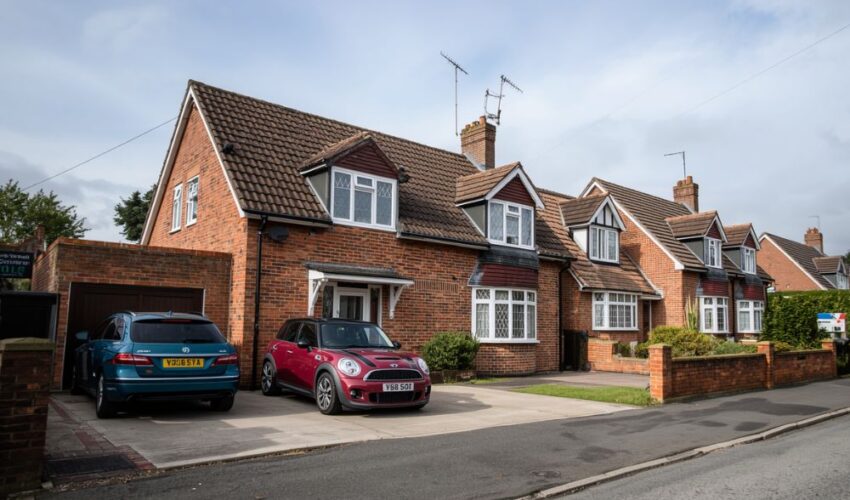
Ground rents have long been a source of contention in the leasehold sector of England and Wales. Historically, escalating ground rents created financial burdens for leaseholders and complicated the sale or refinancing of properties. In response, recent legislation has introduced a 0.1% of freehold value cap for ground rents on lease extensions, effectively limiting the amount a freeholder can charge for extending a lease.
While the cap simplifies calculations and reduces costs for leaseholders, disputes have arisen over its application, calculation, and interpretation. At Blackstone Solicitors, we advise clients on ground rent disputes, lease extensions, and litigation strategies. This article examines the legal framework for ground rent caps, practical considerations for leaseholders and freeholders, and strategies for resolving conflicts.
Free Initial Telephone Discussion
For a free initial discussion with a member of our New Enquiries Team, get in touch with us today. We are experienced in dealing with all the legal aspects of Property Litigation, and once instructed, we will review your situation and discuss the options open to you in a clear and approachable manner. Early expert legal assistance can help ensure you are on the best possible footing from the start and also avoid the stress of dealing with these issues on your own. Simply call us on 0345 901 0445 or click here to make a free enquiry and a member of the team will get back to you.
Understanding Ground Rent Caps
What Are Ground Rents?
Ground rent is a recurring payment made by a leaseholder to a freeholder, usually annually or semi-annually, as part of a lease agreement. Historically, ground rents varied widely and could escalate dramatically, especially in long residential leases.
Ground rents are separate from service charges and reflect the leaseholder’s right to occupy the property while the freeholder retains ownership of the land.
The 0.1% Cap
The new legislation caps ground rents on lease extensions at 0.1% of the freehold value of the property. Key aspects include:
- Applies to residential lease extensions
- Replaces historic ground rent calculation methods
- Aims to standardise charges and prevent disproportionate costs
For example, if a property’s freehold value is £300,000, the annual ground rent under a lease extension cannot exceed £300 per year.
Legislative Context
The cap reflects broader government efforts to:
- Protect leaseholders from unfair financial burdens
- Promote transparency in leasehold transactions
- Encourage fair and efficient property markets
It interacts with the Leasehold Reform, Housing and Urban Development Act 1993 and more recent amendments in 2022–2026.
Calculating the Ground Rent Cap
Determining Freehold Value
The cap requires an accurate determination of freehold value. Considerations include:
- Current market value of the property
- Location, size, and condition of the property
- Comparable sales evidence
Professional valuation by a qualified surveyor is typically necessary to ensure compliance and defend against disputes.
Calculating 0.1%
Once the freehold value is established, the ground rent is capped at 0.1% annually. This simple formula provides clarity but may still generate disagreements, particularly where:
- The freehold value is disputed
- The property includes complex features, such as multiple units or shared amenities
- The valuation methodology differs between parties
Practical Example
A flat valued at £250,000 would have a maximum annual ground rent of £250 under the 0.1% cap. Any historic ground rent or contractual escalation exceeding this amount must be adjusted to comply with the statutory limit.
Common Disputes
Freehold Valuation Disagreements
Disputes often arise over the correct market valuation of the freehold. Factors influencing these disputes include:
- Choice of comparable properties
- Depreciation or condition issues
- Differing professional approaches to valuation
Expert evidence is critical in resolving these disagreements.
Historical Agreements
Some lease agreements include long-standing ground rent provisions or escalation clauses. Disputes may arise over whether these historical terms can override or affect the statutory cap.
Courts have generally affirmed that statutory caps prevail, but careful analysis of lease terms is required.
Timing and Application
Disputes also occur over the timing of applying the cap. For instance, if a lease extension negotiation began before the legislation took effect, parties may disagree on whether the cap applies retrospectively.
Legal advice ensures compliance with the latest statutory framework.
Remedies and Litigation
Negotiation and Mediation
Many disputes can be resolved without litigation through:
- Open negotiation between leaseholders and freeholders
- Professional valuations shared between parties
- Mediation to reach mutually acceptable agreements
These approaches often save time and cost compared to formal litigation.
Tribunal Proceedings
If disputes cannot be resolved, the First-tier Tribunal (Property Chamber) adjudicates ground rent disputes. The tribunal considers:
- Accuracy of the freehold valuation
- Compliance with statutory rules
- Reasonableness of any previous ground rent arrangements
Representation by experienced solicitors and valuers is crucial to ensure fair outcomes.
Court Enforcement
Courts may enforce statutory compliance if a freeholder:
- Refuses to apply the ground rent cap
- Seeks to maintain excessive charges despite statutory limits
- Fails to comply with tribunal determinations
Legal remedies include adjusted ground rent calculations, orders for repayment, and enforcement of tribunal awards.
Strategies for Leaseholders
Obtaining Expert Valuations
- Engage qualified surveyors to assess freehold value
- Review comparable market evidence
- Document methodology for tribunal or negotiation purposes
Preparing Evidence
- Collect historic lease agreements and payment records
- Highlight statutory entitlement to capped ground rent
- Maintain clear records of correspondence with freeholders
Negotiation and Enforcement
- Approach freeholders with evidence-based claims
- Consider mediation before tribunal application
- Use tribunal proceedings as a last resort for formal resolution
Proactive strategies reduce the risk of disputes escalating and provide leverage for negotiations.
Strategies for Freeholders
Reviewing Lease Agreements
- Identify existing ground rent provisions
- Assess how the statutory cap interacts with historical clauses
- Consider early engagement with leaseholders to update agreements
Professional Valuation
- Obtain independent valuations to support claims of correct freehold value
- Document methodology to withstand scrutiny
- Ensure compliance with statutory cap calculations
Dispute Management
- Engage in negotiation or mediation to avoid litigation
- Consider tribunal guidance as precedent for similar properties
- Maintain transparency and documentation to reduce reputational risk
Case Study Illustrations
Scenario 1: Leaseholder Challenge
A leaseholder sought a lease extension with historic ground rent of £1,200 per year. The statutory cap reduced the allowable ground rent to £300 annually. Tribunal determination confirmed the capped rate, saving the leaseholder significant cost while affirming statutory compliance.
Scenario 2: Freeholder Dispute Over Valuation
A freeholder disputed a leaseholder’s valuation of the freehold, arguing the property was worth more. Expert evidence presented at tribunal established a fair market value, and the tribunal applied the 0.1% cap to the agreed valuation, demonstrating the importance of professional assessment and legal representation.
How Blackstone Solicitors Can Help
Blackstone Solicitors advises clients across England and Wales on ground rent disputes, lease extensions, and statutory compliance. Our services include:
- Reviewing lease terms and statutory entitlements
- Representing clients in negotiations, mediation, or tribunal proceedings
- Preparing expert evidence and documentation
- Ensuring compliance with the 0.1% ground rent cap and legislation
Our approach combines legal expertise with practical solutions, ensuring clients achieve fair and compliant outcomes.
Conclusion
The 0.1% ground rent cap represents a significant reform in leasehold law, providing leaseholders with protection against excessive charges and simplifying lease extension calculations. Disputes often arise over valuation, historical lease terms, and statutory interpretation, but careful planning, expert evidence, and legal guidance can resolve conflicts efficiently.
Blackstone Solicitors provides comprehensive advice to leaseholders and freeholders, helping clients navigate ground rent caps, enforce statutory rights, and achieve fair, legally compliant outcomes. With early professional input and strategic negotiation, ground rent disputes can be managed effectively, protecting both financial and property interests.
We have a proven track record of helping clients deal with the legal aspects of Property Litigation. We will guide you through the process and ensure all checks are carried out swiftly and efficiently and we firmly believe that with the right solicitors by your side, the entire process will seem more manageable and far less daunting. You can read more about the range of property litigation services we offer by clicking here: https://blackstonesolicitorsltd.co.uk/commercial-litigation/
How to Contact Our Property Litigation Solicitors
It is important for you to be well informed about the issues and possible implications of Property litigation. However, expert legal support is crucial in terms of ensuring a positive outcome to your case.
To speak to our Commercial Property solicitors today, simply call us on 0345 901 0445, or click here to make a free enquiry. We are well known across the country and can assist wherever you are based. We also have offices based in Cheshire and London.
Disclaimer: This article provides general information only and does not constitute legal advice on any individual circumstances.
